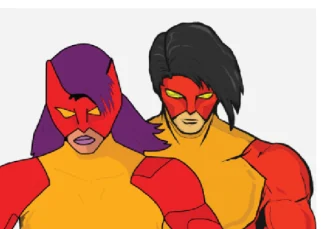
McDonald's leaders
2.7x more likely to lead with Fire than accountants
Spark and enthusiasm run through a fast-moving, people-facing business.

Research report · October 2026 edition
What nearly 10,000 Master Your Superpowers assessments reveal about how people lead, work, and connect
The short version
 Water intuition
 Wood creativity
 Fire positivity
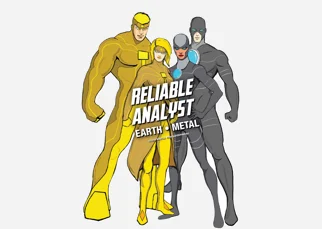
 Earth consideration
 Metal focus
The elemental fingerprint
Every group of people has an elemental fingerprint. Here is what the data shows across some of the professions we have assessed.
2.7x more likely to lead with Fire than accountants
Spark and enthusiasm run through a fast-moving, people-facing business.
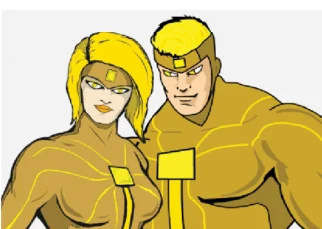
5x more likely to lead with Earth than with Fire
Steady, careful and dependable. Exactly who you want minding the books.
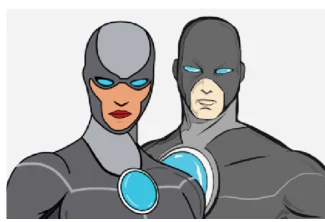
2.3x more likely to lead with Metal than government employees
Precision, standards and safety on job sites where details matter.
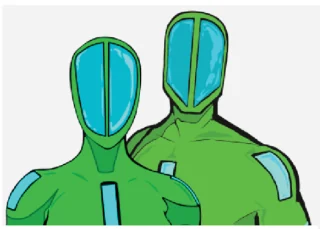
2.3x more likely to lead with Wood than accountants
Vision and momentum for people who turn plans into experiences.
1.5x more likely to lead with Earth, the element of consideration, than everyone else we assessed
Dependable, fair and thoughtful about the people they serve. 37% lead with Earth, compared with 25% of everyone else we assessed.
Current assessment, 2024 to 2026, compared on primary element. Each group reflects the organizations we assessed in that field: accounting firms (223 people), government agencies (268), a women in construction association (240), a destination management company (118) and McDonald's (949).
How MYS works
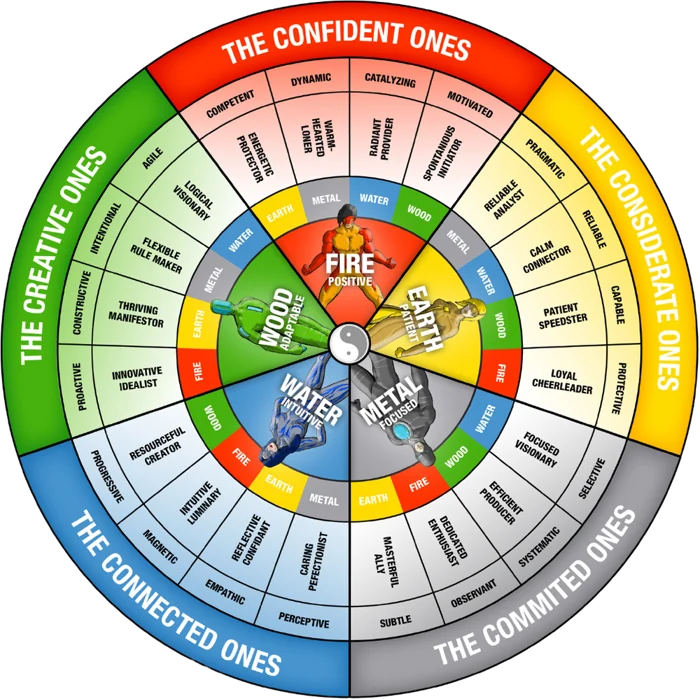
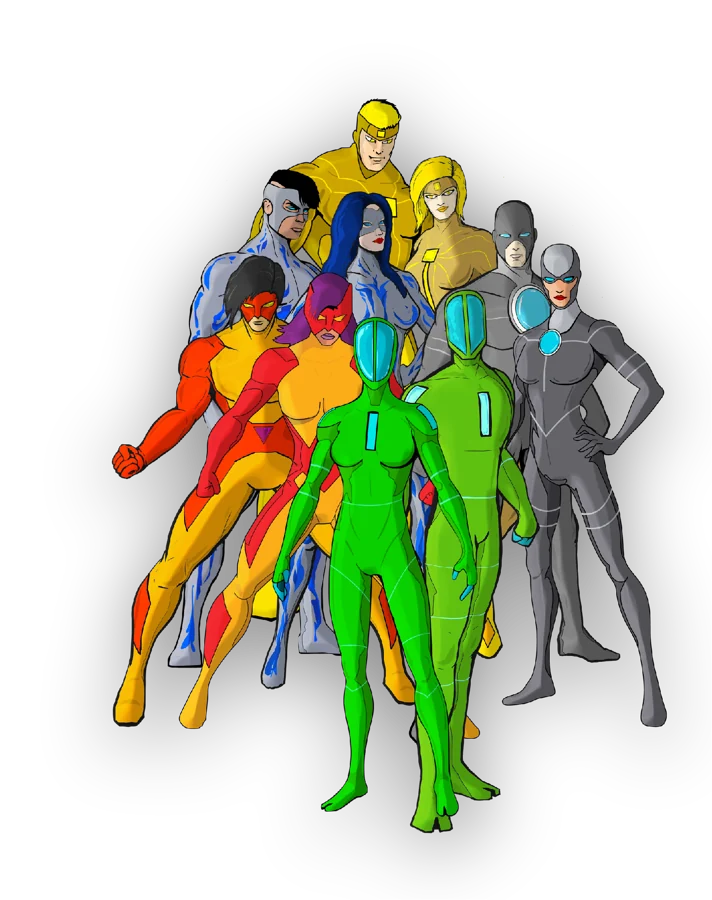
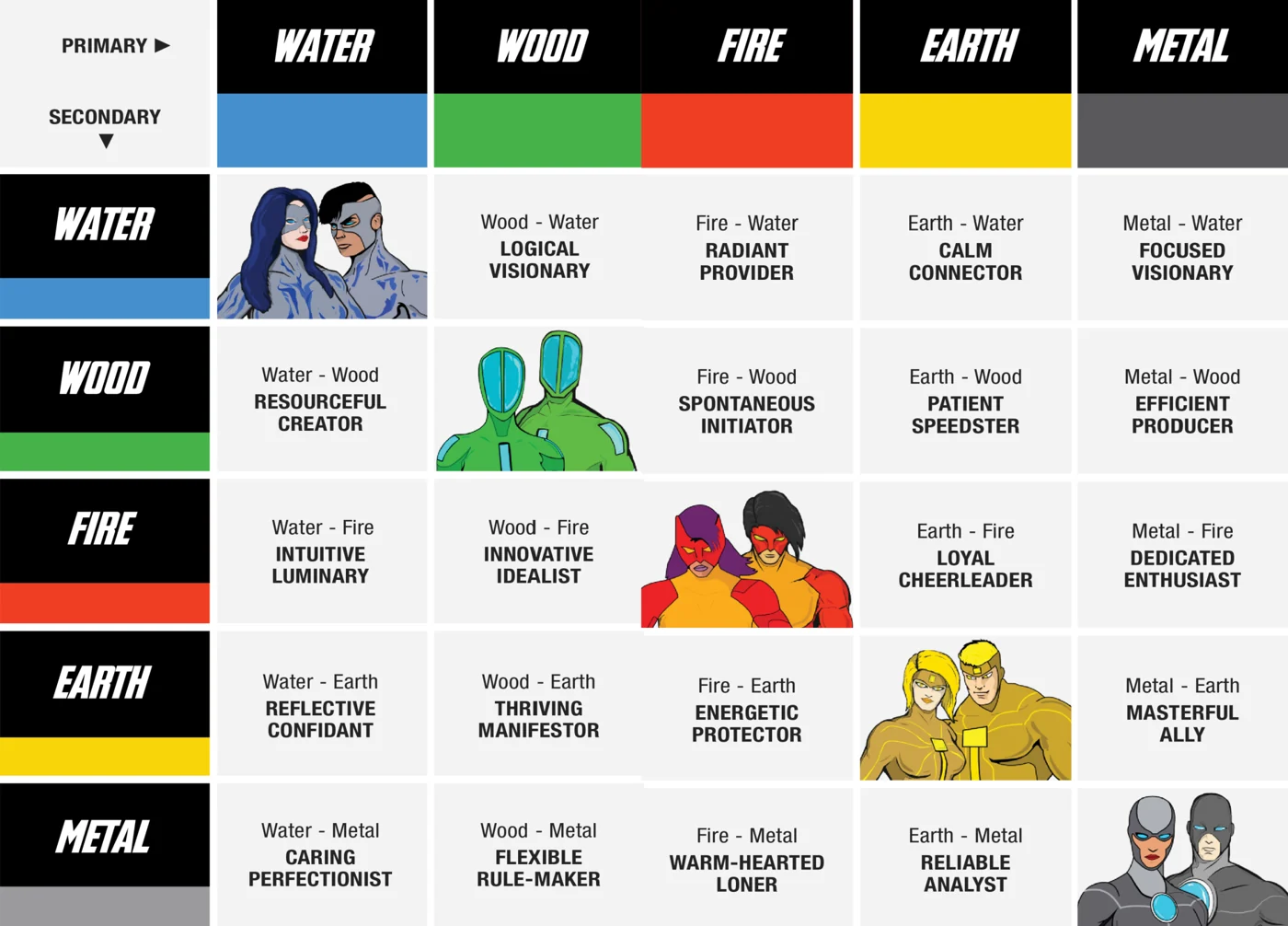
Master Your Superpowers is a 50-question psychometric assessment built on the five elements. Everyone carries all five. MYS identifies the two that lead, a primary and a secondary, and that pairing becomes one of 20 integrated archetypes, each brought to life as a superhero.
intuition
Reflective, perceptive and deeply feeling. Water brings intuition, empathy and quiet wisdom.
creativity
Visionary, inventive and growth-oriented. Wood brings creativity, direction and the will to build.
positivity
Warm, expressive and energizing. Fire brings positivity, enthusiasm and connection.
consideration
Steady, caring and dependable. Earth brings consideration, support and a sense of belonging.
focus
Precise, principled and structured. Metal brings focus, standards and follow-through.
Finding 1
Every person has a weakest element, the one that comes least naturally. Across nearly ten thousand people, one element is missing far more often than any other. It is Fire, the element of positivity, warmth and expression.
Share of people whose weakest element is each one
WaterWoodFireEarthMetalCurrent assessment: 2,339 people. Original: 7,369 people.
people have Fire as their weakest element. That held in both versions of the assessment: 40% originally and 41% today.
agree with "I enjoy being the center of attention and feel comfortable in front of others," one of the least claimed statements in the assessment.
lead with Fire as their primary element, among the lowest of the five.
What it means
Fire is the element that lights up a room, celebrates wins and makes work feel human. When it is quiet, teams can be capable, kind and productive, yet still feel flat. Leaders do not need to become performers. They need to make room for Fire on purpose: recognition, celebration, play and visible enthusiasm.
Finding 3
All 20 archetypes, ranked by how often they appear in the current assessment. Bars show each superhero's primary element first and secondary element second.
Current assessment, 2024 to 2026, 2,339 people. The three most common superheroes together describe 29% of everyone.
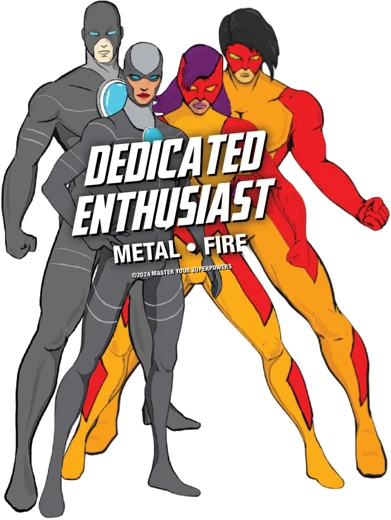
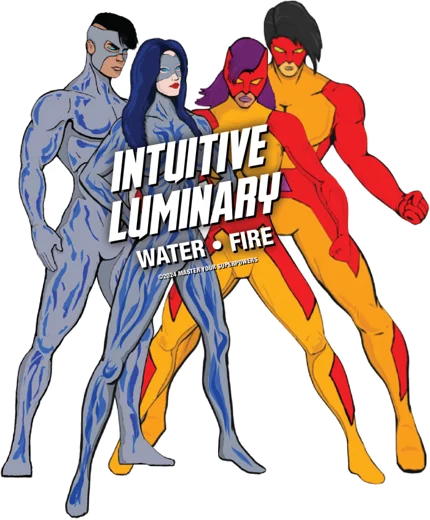
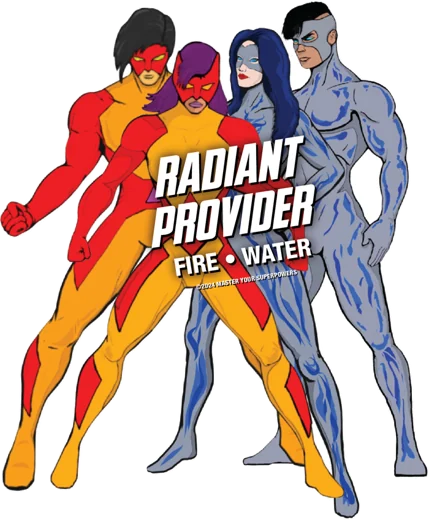
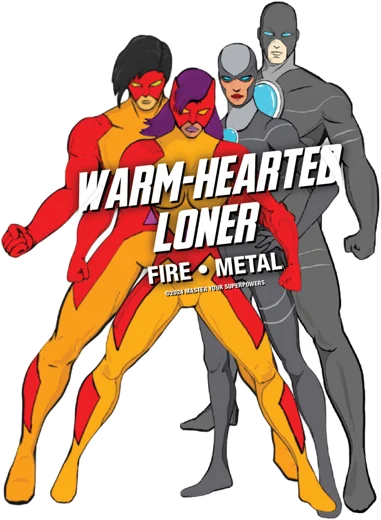
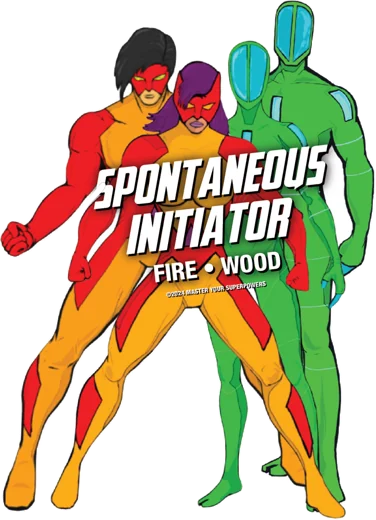
Four archetypes are true rarities, each found in fewer than 1 in 70 people. Every one pairs Fire with Water or Metal, the two pairings that almost never occur together.
If you are one of the rare ones
You hold a combination most people never experience. Fire with Metal means warmth with precision. Fire with Water means expression with depth. These people often feel like puzzles to others, and sometimes to themselves. On a team, they can translate between worlds that rarely meet.
Finding 4
Place shapes people, or perhaps people are drawn to places that fit them. Workplaces in Hawaii carry a distinctly different elemental signature from workplaces elsewhere.
Primary element, Hawaii workplaces compared with elsewhere
WaterWoodFireEarthMetalCorporate participants on the current assessment, McDonald's excluded so one large organization does not dominate the comparison.
more people lead with Water in Hawaii workplaces, 22% compared with 14%.
lead with Fire in Hawaii, against 22% elsewhere. Nearly half of Hawaii participants (48%) have Fire as their weakest element.
of Hawaii participants lead with Water or Earth, compared with 37% elsewhere.
What it means
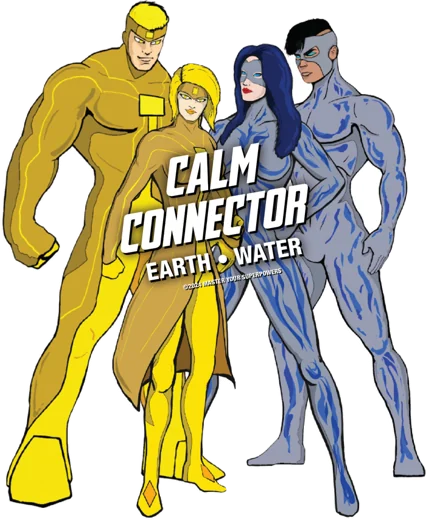
The spirit of aloha, care, calm and connection, shows up in the data. It is a gift, and it has a shadow. Workplaces rich in Water and Earth are loyal and kind, yet may struggle to celebrate loudly, push back openly or move quickly. Leaders in Hawaii can honor the signature while intentionally inviting more Fire.
Finding 5
Many personality tools carry hidden gender patterns. When we compared women and men on the current assessment, the elements came out almost identical.
Water17%Wood27%Fire15%Earth24%Metal16%Share leading with each element as their primary. Current assessment, participants who reported gender.
The largest difference on any element (Earth). On Water and Wood, women and men are within one point.
Flexible Rule-Maker and Calm Connector are among the three most common superheroes for both women and men.
superhero appears among both women and men. No archetype belongs to one gender.
Why it matters
When a team talks about elements instead of stereotypes, the conversation gets fairer. A woman who leads with Metal and a man who leads with Earth are not exceptions. They are simply themselves.
Finding 7
MYS does not stop at the individual. When we looked at 89 teams and groups of six or more people who were assessed together, a striking pattern emerged.
of teams had at least one element that no one on the team leads with as their primary.
of teams are led by Wood, their strongest element overall. Teams lean toward drive and direction.
When a team is missing an element, which one is it?
Water18 teamsWood4 teamsFire16 teamsEarth5 teamsMetal19 teamsOut of 41 teams with a missing element. Some are missing more than one.
Each team's strongest element
Water14%Wood53%Fire3%Earth20%Metal10%2,102 people in 89 groups, median group size 15.
What it means
A missing element is not a flaw. It is a blind spot the whole team shares, which is exactly why no one notices it. A team without Metal may move fast but drop details. A team without Water may execute well but miss how people feel. Naming the missing element is often the single most useful moment in an MYS team session.
All seven findings, every chart and the complete methodology in a 16-page PDF.
Trusted byMcDonald's, Walmart, Gap, Athleta, the State of Hawaii, the City and County of Honolulu and Hawaii Energy, along with more than 40 other organizations across Hawaii and beyond.